

Preparing for a move can be incredibly stressful, especially if you’re travelling with a four-legged friend. One of the most essential aspects of your pet’s journey is pre-travel preparation. While pet cargo travel can seem intimidating to many owners, it is in fact an incredibly safe and convenient form of flying, especially with the right arrangements.
Here are our expert tips on how to prepare your pet for cargo travel!
What is Pet Cargo Travel?
Firstly, it’s important to be familiar with the ways cargo travel differs from in-cabin travel. While many of us pet owners would want our companions next to us on the flight, a lot of airlines worldwide don’t allow pets in the cabin or have restrictions based on breeds and sizes.
As a result, your pet would travel in specialised crates in the plane’s hold area.
Finding the Right Relocation Agency
Moving a pet overseas is about far more than booking a flight. Every country has different import requirements, airlines have strict pet travel regulations, and even a small mistake can result in costly delays, quarantine or refused entry.
International pet travel is becoming more complex. At first glance, arranging your dog or cat’s flight yourself might seem like a way to save money. Many airlines allow pet owners to make bookings directly, and online information can make the process appear straightforward.
In reality, international pet relocation involves much more than choosing a departure date. Every destination has its own requirements, which may include:
- Health certificates
- Microchip verification
- Rabies vaccinations
- Blood tests
- Parasite treatments
- Import permits
- Customs clearance
- Airline-specific crate requirements
Requirements also change regularly. Missing a single document or misunderstanding an airline’s rules can lead to significant delays, additional costs, or your pet being refused travel altogether.
Vet Visits
Your pet may need several appointments with a vet before they travel. This can include microchipping, rabies vaccinations, blood tests, parasite treatments, and the health certificate itself. These steps often need to happen in a specific order and within particular timeframes depending on your destination, so it’s worth confirming the exact requirements early rather than leaving vet visits until the last minute.
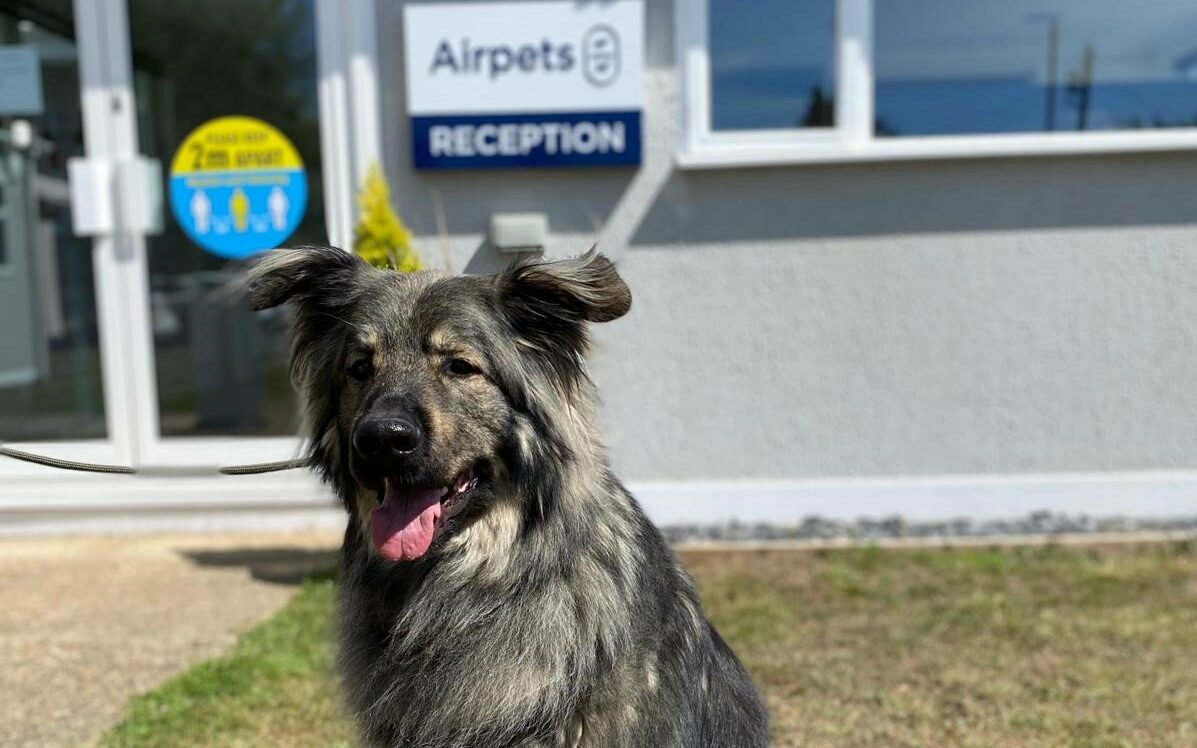
Our on-site vet, Travel Vet, is based at Airpets and is OV66 registered, so they can complete any veterinary appointments your pet may need in the run-up to travel. If you don’t live close to Airpets, we can signpost you to a vet who can help.
Crate Training
To help prepare your pet for travelling in the cargo hold, we advise every pet parent to crate train their pet. Your pet will be in their crate for the entire time they are on the plane, so it’s important that they feel safe and comfortable in it to reduce any stress or anxiety.
We recommend introducing your pet to their crate four to six weeks before departure if they haven’t used one before, or a week or two as a refresher if they’re already crate-trained for daily life.